27 September 2026 | Residential property | Research and analysis
The strongest Dubai address is one people still choose when the market stops rising. A beach that cannot be moved, a financial district that generates tenants, a neighbourhood where families put down roots: these are more durable advantages than a launch-day queue.
For buyers looking towards 2036, five established areas deserve a place on the shortlist: Palm Jumeirah, Downtown Dubai, Dubai Marina, DIFC and the original Arabian Ranches. Each serves a different buyer. Dubai Creek Harbour, Dubai South and Dubai Islands offer development-led upside, but that upside depends on infrastructure becoming useful, occupied places.
This is a selective investment thesis, not a universal ranking. The choices favour enduring location advantages, existing demand and identifiable risks. The right building, purchase price and holding period can matter more than the district name.
Why the starting point matters
Dubai has already demonstrated how quickly confidence can change. In September 2026, Reuters reported Emaar founder Mohamed Alabbar’s expectation of an average 5% price decline for the year following the regional conflict. That is an executive’s forecast, not a measured market-wide result. It nevertheless makes an unqualified continuation of the boom an unsuitable starting assumption. [1]
A ten-year buyer can tolerate a cycle only if the financing and rental cash flow allow it. Strong long-term demand does not prevent an expensive purchase from producing a disappointing return.
What this guide measures
Historical figures below are nominal AED per square foot. They describe published community price benchmarks, not inflation-adjusted gains or an investor’s net return. The forward view covers September 2026 to September 2036 and uses explicit scenarios rather than pretending that a precise ten-year forecast exists.
Where the opportunities sit
The geography explains the investment logic. Coastal and central districts compete through established amenities and access. The northern waterfront and southern airport corridor depend more heavily on future delivery. Creek Harbour sits between those models, combining an existing residential destination with a planned transport upgrade.
What changed over the past decade
The period since 2016 contains several markets: the earlier correction, the pandemic disruption, the subsequent expansion and the 2026 reassessment. Buying near a trough produces a very different growth story from buying before a downturn. An endpoint comparison conceals that journey.
The table uses Asteco’s end-2016 benchmarks and Knight Frank’s Q1 2026 community averages. This is approximately a decade, specifically 9 years and 3 months, rather than an exact rolling ten-year series to September 2026. Different providers, samples and property mixes make the calculated changes indicative benchmark gaps, not like-for-like appreciation. [2, 3]
| Area and property basis | End 2016 AED/sq ft | Q1 2026 AED/sq ft | Indicative gap |
|---|---|---|---|
| Downtown Dubai apartments | 1,900 | 3,010 | +58% |
| Dubai Marina apartments | 1,450 | 2,054 | +42% |
| DIFC apartments | 1,750 | 3,290 | +88% |
| Arabian Ranches villas Original community | 1,150 | 2,398 | +109% |
| Palm Jumeirah | 1,700 apartments 2,500 villas | 4,525 community average | Not comparable |
Calculation: (2026 benchmark ÷ 2016 benchmark − 1) × 100, rounded. Asteco excludes particularly exclusive or unique projects; the newer series is not an identical basket. Renovations, new luxury supply and changes in the homes sold can raise averages without the same increase in an unchanged home. Palm’s mixed community figure is therefore not used to manufacture an apartment or villa growth rate. [2, 3]
The lesson behind the figures
The strongest indicative uplift here belongs to established family housing, while the Marina’s rise is more restrained. That supports a useful hypothesis: space and everyday usefulness can be as valuable as skyline recognition. It does not prove that every villa beat every apartment, or that past leaders will lead again.
Historical appreciation also excludes the cash spent earning it. Service charges, vacancy, maintenance, refurbishment, financing and transaction costs reduce realised returns. Rental income adds to the result, but a quoted gross yield is not the amount an owner keeps.
The 2026 supply test
Knight Frank identifies roughly 350,000 potential residential deliveries by 2030, while noting that actual completion can fall short of schedules. More supply increases the importance of building selection and price discipline. Its Q1 averages should not be treated as September asking prices or live valuations. [3]
Five established areas and why they qualify
1 Palm Jumeirah for scarce waterfront living
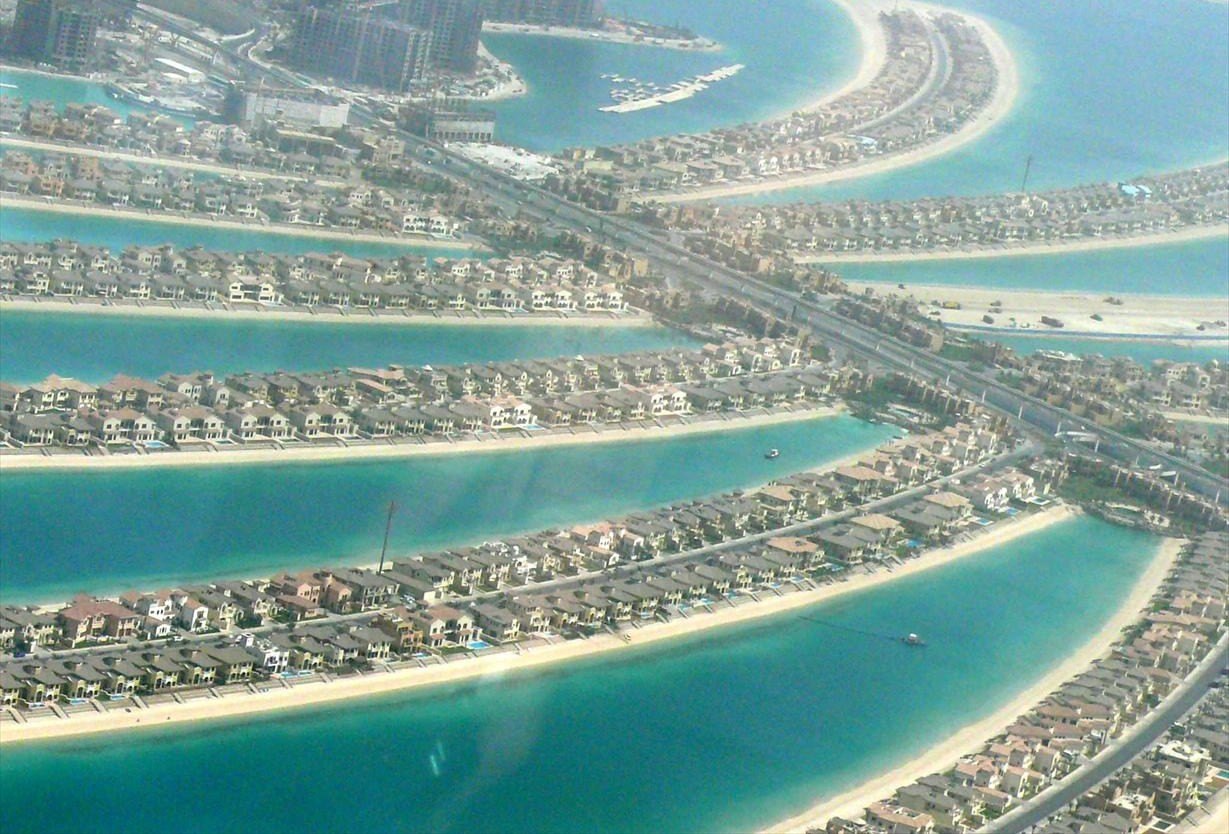
The Palm’s strongest proposition is a completed island lifestyle with a globally recognisable address. Beach access and a protected outlook are tangible attributes that a competing inland tower cannot reproduce. Nakheel describes it as an established destination for living, leisure and tourism. [4]
My preferred thesis is selective ownership of genuinely differentiated homes. An ordinary unit carrying a luxury postcode is less compelling. For 2026-2036, the central expectation is continued demand for the best waterfront stock, with considerable sensitivity to international wealth and travel confidence. Inspect service charges, exposure to coastal maintenance and the cost of upgrades. The Palm deserves a premium only when the individual property earns it.
2 Downtown Dubai for enduring city centre appeal
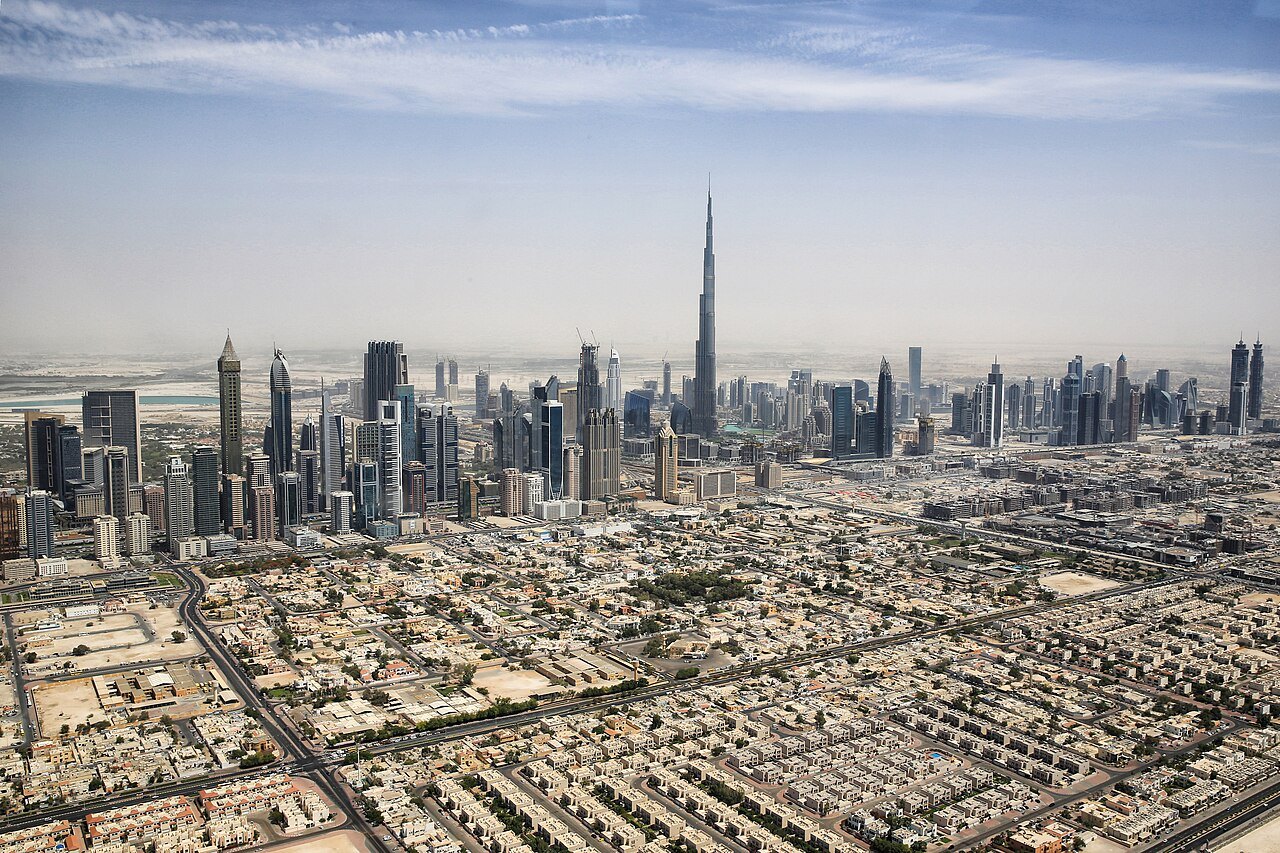
Downtown brings a concentrated mix of attractions, hospitality and residential towers around the Burj Khalifa and Dubai Mall. Its strength is that buyers and tenants already understand the destination; it does not need a future master plan to establish its identity. [5]
The next decade should favour well-managed buildings with practical layouts and views unlikely to be obstructed. My outlook is moderate capital growth over a full cycle, rather than another automatic repricing. The risks are paying too much for a famous view, substantial running costs and competing new stock. Compare actual leases and completed sales within the building before paying a district-wide premium.
3 Dubai Marina for an established rental location
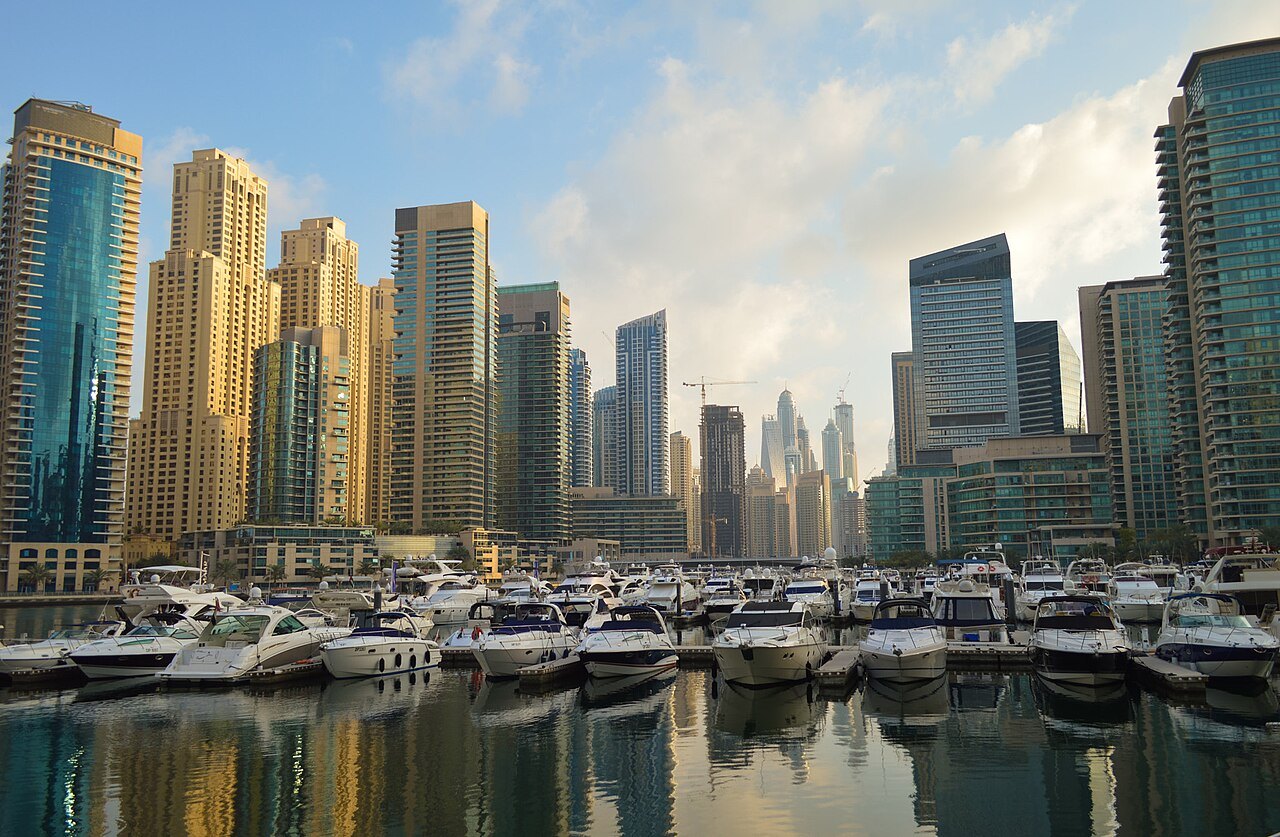
The Marina’s attraction combines waterfront living with a substantial existing residential ecosystem. Emaar’s community material places it close to the Internet City and Media City employment districts. [5] In investment terms, that creates several potential tenant audiences rather than dependence on one new project.
My 2036 thesis is strongest for efficient apartments in buildings with sound management and convenient access. Older towers may need refurbishment to compete with newer waterfront developments. Traffic, maintenance reserves and the gap between advertised holiday income and achievable annual net income deserve close attention. The Marina is a building-selection market: two neighbouring towers can be very different investments.
4 DIFC for demand linked to employment
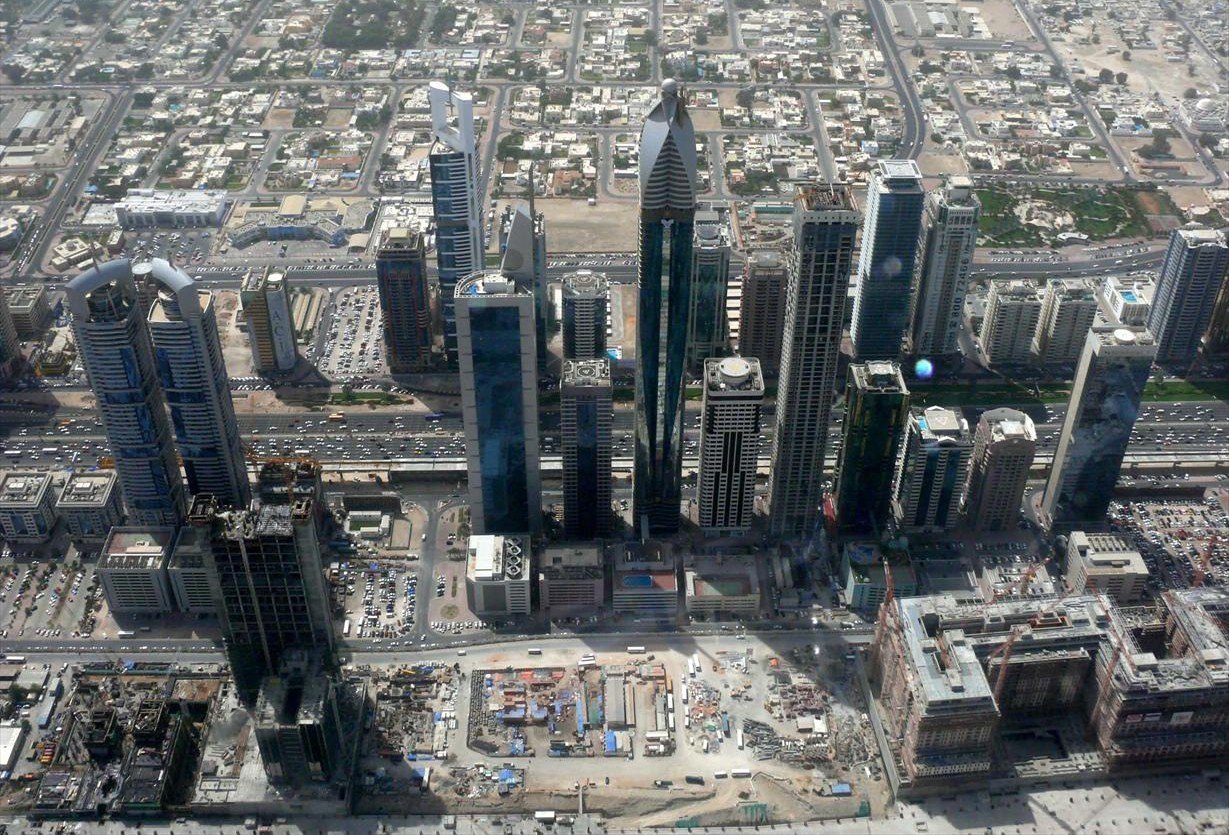
DIFC’s appeal rests on economic activity close to home. The centre reported 8,844 organically acquired active companies in 2025, up 28% year on year. Company counts do not translate directly into housing demand, but they provide a stronger foundation for a tenant thesis than promotional renderings. [6]
The long-term case is proximity to a specialised employment cluster. My expectation is for good-quality, conveniently located residences to remain competitive, provided rents stay affordable to their target tenants. The main risks are a financial-sector slowdown, new competing residences and an entry price that already assumes exceptional growth.
Family housing and the growth watchlist
5 Arabian Ranches for established family demand
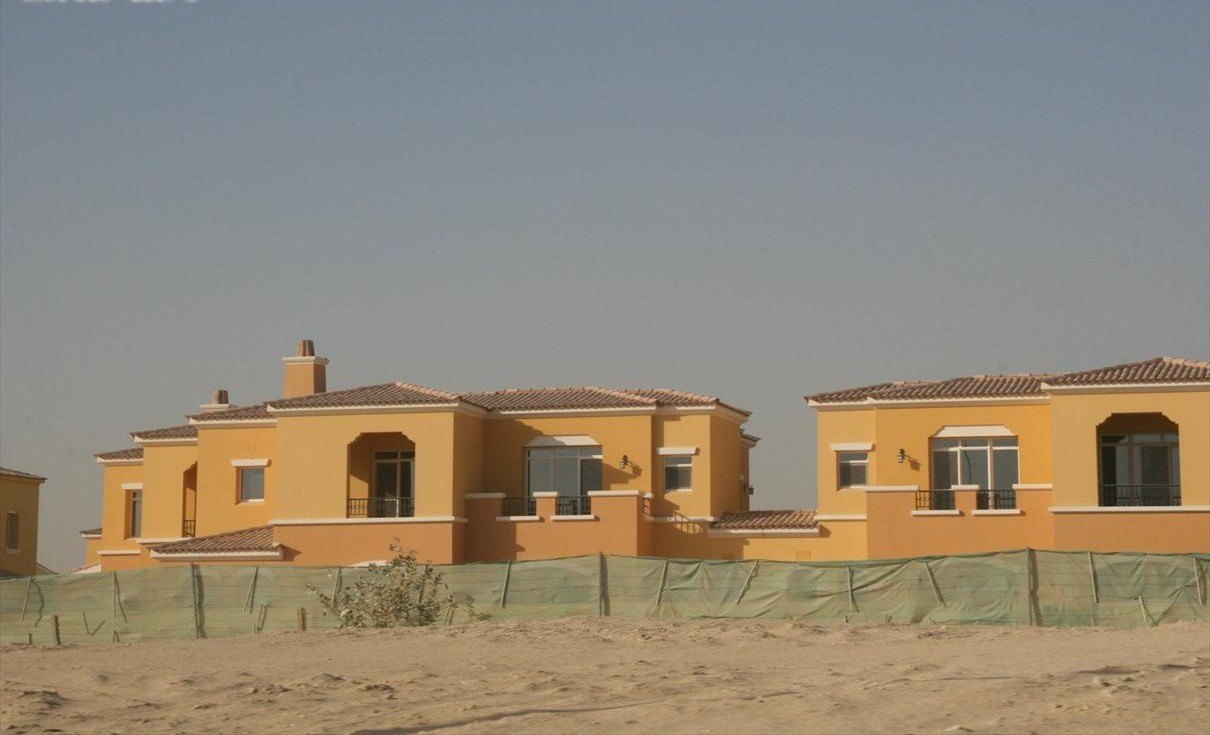
The original Arabian Ranches offers a different form of scarcity: an established low-rise environment, private outdoor space and community amenities. Emaar identifies it as a gated villa community with golf facilities. [7] The investment argument is rooted in households choosing a place to live for several years.
My ten-year outlook is favourable for well-located homes with sensible layouts and manageable refurbishment costs. Larger plots and established landscaping can remain attractive as newer districts mature. However, a renovated villa’s sale price includes capital invested by its owner; that uplift should not all be called market appreciation. Roads, commuting time and competition from newer family communities can limit the premium. Arabian Ranches II and III are separate comparisons.
Three areas that could gain ground
6 Dubai Creek Harbour for a transport catalyst
Creek Harbour combines waterfront residential development with a concrete transport project. The Dubai Metro Blue Line is planned to serve the district, and the May 2026 government update retained a September 2029 opening target. [8]
The potential gain comes from easier access translating into a broader pool of residents and tenants. My preferred approach is to assess the actual walk from a building to the planned station, then compare its premium with existing alternatives. Construction disruption, timing changes and additional apartments could absorb much of the benefit. A planned station is a catalyst, not a guaranteed percentage increase.
7 Dubai South for the airport economy
Dubai South has the clearest large-scale employment catalyst on this watchlist. In June 2026, Dubai’s government said the Al Maktoum airport development remained on course to commence operations in 2032. [9] The relevant housing story is the activity around an expanded aviation and logistics economy.
The upside depends on permanent jobs and occupied homes arriving together. My outlook is more positive after those milestones become visible than during a speculative rush ahead of them. Large land availability, development phasing, airport noise and long commutes to existing employment centres are material risks. Buy a viable residential location, not merely a point close to an airport on a map.
8 Dubai Islands for a new waterfront destination
Nakheel’s plan brings five islands and more than 20 kilometres of beaches to the northern waterfront. [10] If the destination develops into an attractive place to live and visit, early residential areas could benefit from the arrival of services, hospitality and public spaces.
This is the most execution-dependent waterfront thesis here. Beach access, road connections, developer delivery and the sequence of neighbouring construction matter more than a generic “island premium”. My outlook is positive only for projects whose price compensates for those uncertainties. An advertised future amenity should not be valued as if it were already operating.
A ten year outlook without false precision
My central view is that established, useful neighbourhoods can deliver moderate nominal appreciation through 2036, with rents contributing a meaningful part of the overall return. Emerging areas have a wider range of outcomes: successful delivery can improve their position, while delays and oversupply can leave prices flat for years.
The following is an illustrative sensitivity framework created for this article. These are assumptions, not a statistical forecast, broker consensus, promised returns or probabilities. The starting value is the price actually paid in September 2026; the endpoint is September 2036. Interim losses can be much larger than the final ten-year result.
| Scenario | Assumed annual price change | Ten year price change | Conditions |
|---|---|---|---|
| Prolonged weakness | −2% to 0% | −18% to 0% | Persistent confidence shock; weak absorption; excess supply |
| Central illustration | 2% to 4% | +22% to +48% | Demand broadly absorbs delivery; rents and incomes support prices |
| Strong expansion | 5% to 7% | +63% to +97% | Sustained inflows and employment; effective infrastructure; disciplined supply |
Calculation: (1 + annual rate)^10 − 1. Nominal AED capital values only; excludes rent, costs, leverage and inflation. A 3% annual price gain gives about 34% over ten years. At an assumed 2.5% annual inflation rate, that is only about 5% cumulative real price growth.
How the outlook differs by area
Palm Jumeirah has the clearest premium-waterfront thesis, but luxury demand can be volatile. Downtown and DIFC rely on the continued value of centrality and employment. Dubai Marina needs ongoing building investment to defend its appeal. Arabian Ranches depends on family demand and the value buyers place on an established setting. These are judgments about demand durability, not claims that one district will produce a guaranteed higher return.
For Creek Harbour, the key test is transport opening and useful station access. For Dubai South, it is the conversion of airport investment into local jobs and residents. For Dubai Islands, it is completed destination quality. In all three, much of the anticipated benefit may already be reflected in the purchase price.
The buying decision
Start with recent completed sales in the same building or villa cluster. Build a net rental cash flow using realistic vacancy and running costs, then stress-test a price fall and a delayed exit. Inspect the physical asset and verify what has been delivered. For off-plan purchases, developer execution and contractual payment obligations deserve the same attention as the floor plan.
Dubai will continue to offer persuasive stories about its future. The better investment is the home whose price can be justified by the life and income it can support, even while that future takes longer to arrive.
Sources and methodology
Sources checked on 27 September 2026. Bracketed references identify the evidence behind factual claims. Area selection and the 2036 outlook are editorial analysis. Developer descriptions establish amenities or plans, not independent evidence of investment returns.
[1] Reuters, 21 September 2026. Emaar sees Dubai hotel occupancy recovering within a year; includes Alabbar’s price outlook. Read source
[2] Asteco, Dubai Real Estate Report Q4 2017. Historical end-2016 benchmarks, pages 7-8; methodology disclaimer, page 9. Read source
[3] Knight Frank, Dubai Residential Market Review Q1 2026. Community values, pages 6-7; supply and market commentary, pages 2-3. Source series includes REIDIN. Read source
[4] Nakheel, Palm Jumeirah community. Established destination description. Read source
[5] Emaar Community Management. Downtown and Marina community information. Read source
[6] DIFC, 5 February 2026. Annual results for 2025. Read source
[7] Emaar, Arabian Ranches. Original community and villa amenities. Read source
[8] Dubai Media Office, 3 May 2026. Blue Line tunnelling update and planned route. Read source
[9] Dubai Media Office, 15 June 2026. Al Maktoum airport development milestones and 2032 target. Read source
[10] Nakheel, Dubai Islands. Master development description and beach plans. Read source